

Introduction
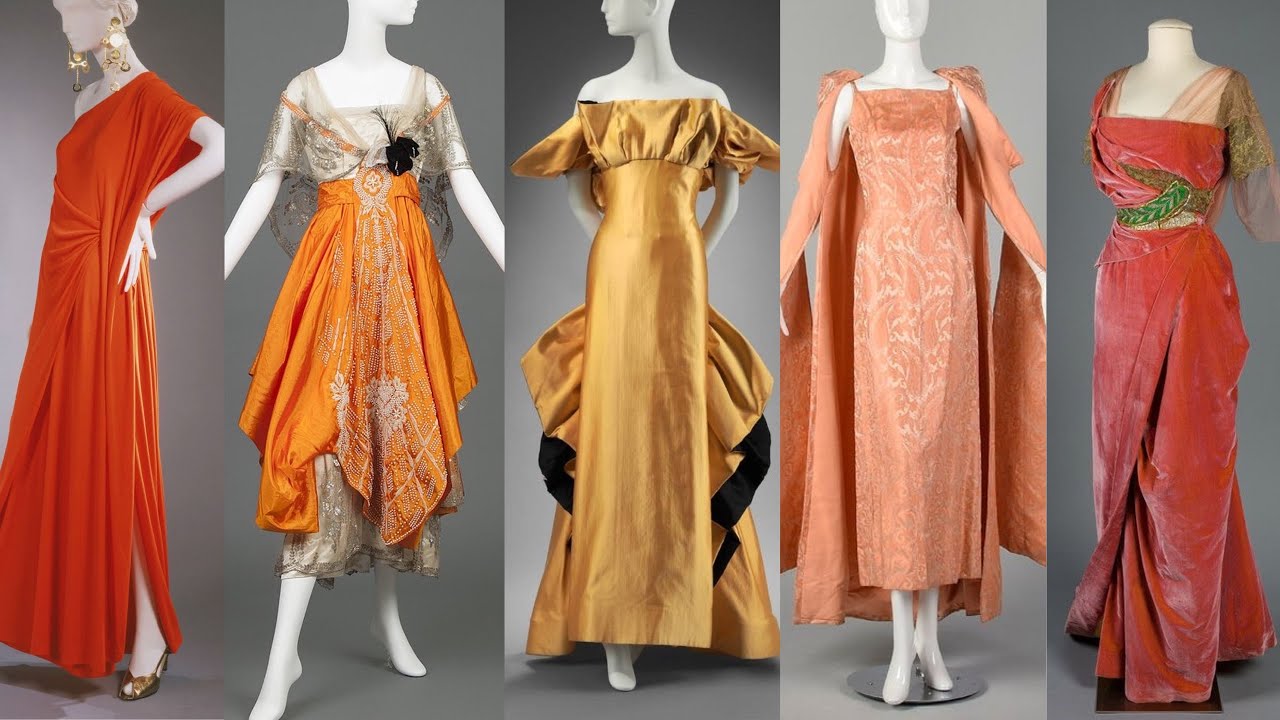
In today's society, women's apparel has actually ended up being an effective sign of self-expression and identification. From ancient times to the here and now day, ladies's clothing has progressed significantly, showing changes in society, style patterns, and social standards. This post explores the interesting journey of women's apparel, exploring its historical roots, transformative minutes, and the impact it has actually had on ladies's lives.
The Early Beginnings: Primitive Attire
The Birth of Clothing: Protection and Modesty
One can trace the origins of ladies's clothes back to ancient times when very early human beings began putting on pet hides and plant fibers for security versus harsh weather conditions. These primitive outfit offered a double objective of shielding the body from exterior aspects while likewise making certain modesty.
Ancient Worlds: Drapes and Togas
As people thrived all over the world, so did advancements in clothes design. In old Egypt, ladies embellished themselves in moving bed linen garments that were pleated or draped elegantly. Likewise, ancient Greeks welcomed the simpleness of togas, an iconic garment that symbolized power and status.
Medieval Period: Restricting Bodices and Splendid Gowns
The middle ages age experienced a shift in ladies's clothing with the emergence of corsets. These tightly-laced undergarments were created to highlight the waist and produce a shapely figure. Combined with extravagant dress made from extravagant textiles like velvet and silk, medieval females showcased their social standing with their attire.
The Renaissance: Fashion as an Artform
Renaissance Style: Luxury and Ornamentation
The Renaissance noted a turning point for females's style as it changed into an artform. Women started putting on luxurious gowns including intricate needlework, lacework, and embellishments. Influenced by Italian fashion trends, these garments were characterized by large skirts, puffed sleeves, and corsets that emphasized the women form.
The Birth of Fashion Capitals: Paris and London
During the Renaissance, Paris and London emerged as fashion fundings, determining trends that would shape females's clothing for centuries ahead. French and English nobility set the tone with their sumptuous garments embellished with valuable jewels and intricate headpieces. This era saw the rise of specialist dressmakers and dressmakers that provided specifically to the elite classes.
The Industrial Change: From Constraint to Revolution
Victorian Age: Restrictive Silhouettes and Social Conformity
The Victorian era introduced a strict code of clothing for women, characterized by limiting corsets, voluminous crinolines, and multiple layers of underwears. Women's garments emphasized modesty and social conformity, mirroring the values of the moment. Nevertheless, this duration additionally experienced tiny rebellions against social standards through subtle modifications in fashion.
The Bloomer Activity: Logical Gown for Women
As the 19th century progressed, a motion known as "logical outfit" obtained momentum. Led by feminists such as Amelia Bloomer, women began denying constricting clothing for more practical garments. The bloomer outfit, including loose trousers worn under a knee-length skirt, ended up being an icon of women's defend autonomy and freedom.
The Roaring Twenties: Freedom and Individuality
Flapper Fashion: Breaking Devoid Of Tradition
The 1920s marked a substantial change in females's clothes as societal norms loosened up following World War I. Flapper style welcomed much shorter hemlines, dropped waistlines, and looser silhouettes. These daring designs were come with by bobbed hairdos and strong http://beaugbzq645.lucialpiazzale.com/women-s-apparel-the-art-of-dressing-for-your-physique accessories, showing females's newfound sense of freedom and individuality.
Coco Chanel: Transforming Women's Fashion
French developer Coco Chanel played a pivotal role in redefining ladies's style throughout the Roaring Twenties. She introduced comfortable and useful apparel such as the little black outfit, customized matches, and jacket fabric. Chanel's styles challenged typical notions of womanhood, equipping females to accept simplicity and sophistication.
The Swinging Sixties: Vibrant Rebellion and Unisex Fashion
Mod Style: Breaking Gender Stereotypes
The 1960s saw a cultural change that penetrated all aspects of society, consisting of fashion. Mod style became a symbol of vibrant disobedience and counterculture. Females embraced mini-skirts, vibrant patterns, and dynamic colors, testing social expectations of femininity. Unisex fashion likewise gained popularity during this age, blurring the lines between men's and females's clothing.
Mary Quant: Iconic Developer of the Swinging Sixties
British developer Mary Quant ended up being synonymous with the mod motion and is credited with promoting the mini-skirt. Her innovative styles celebrated youthfulness and nonconformity, inspiring a generation of ladies to reveal themselves through their garments choices.
FAQs
Q: Just how has females's garments developed over time?
A: Women's clothes has evolved from primitive attire for security to elaborate garments mirroring cultural and social changes. It has actually transitioned from restrictive corsets to liberation in the kind of flapper dresses, unisex style, and modern styles.
Q: Which era had one of the most significant influence on females's clothing?
A: The Renaissance era had an extensive influence on females's apparel as it changed fashion right into an artform. Opulent garments embellished with elegant information ended up being a representation of wealth and status.
Q: That were some significant developers in women's fashion history?
A: Coco Chanel reinvented women's style in the 1920s by introducing comfortable yet elegant styles. Mary Quant played an essential duty in shaping mod style during the swinging sixties.
Q: How did ladies's apparel mirror social changes?
A: Women's clothing has constantly been a representation of social standards and worths. From bodices signifying social conformity to the liberated styles of the 1920s and 1960s, each era's clothes choices mirrored the transforming functions and expectations of ladies in society.
Q: What are some famous items of females's apparel throughout history?
A: Some legendary pieces of females's apparel include the little black outfit presented by Coco Chanel, the bloomer outfit put on during the logical dress movement, and the mini-skirt promoted by Mary Quant.
Q: Exactly how has fashion affected ladies's lives throughout history?
A: Fashion has actually been a powerful device for self-expression, empowerment, and social modification. It has allowed females to test social standards, share their uniqueness, and navigate developing social landscapes.
Conclusion
The advancement of ladies's garments is a testament to the ever-changing dynamics between fashion, culture, and culture. From ancient human beings to contemporary times, females have used garments as a means of self-expression and identity. Each era has brought its very own set of challenges and triumphs, shaping females's fashion right into what it is today. As we remain to witness brand-new fads and designs arise, it is clear that females's clothing will certainly always stay a significant element of our collective background. So let us embrace this trip with time and commemorate the abundant tapestry that is "A Peek right into the Advancement of Women's Garments."